
Completing the Puzzle
How to Build a Shooting Schedule

Now that our breakdown is done, we get to the most fun part of the job: building the shooting schedule. (If you missed it, our first post explains how a script breakdown is done.)
A shooting schedule is, roughly, the plan the whole crew shares: which scene is shot on which day, where, at what time, with which cast, using which equipment and materials. Producing it means the first AD skillfully fitting together a set of very different puzzle pieces.
It looks hopelessly complicated at first. But after years on set, a first AD handles the process almost by muscle memory and turns a heap of scattered pieces into a backbone that runs like clockwork.
What Is a Shooting Schedule?
A shooting schedule is the working calendar that shows which scene of the script is shot on which day, at which location, in which order and in how much time. It takes everything in the breakdown sheets into account, with the aim of spending every shooting day as efficiently as possible.
Why Do We Need a Shooting Schedule?
You cannot pick up the script and say, “Let’s start shooting from page 1.” Imagine it: you move into a location for a cafe scene and build the whole set and lighting, then you strike it and head to a forest for the next scene, and five pages later the script sends you back to that cafe. A nightmare! To avoid burning money and time, and to avoid wearing the crew out, we arrange scenes not in story order but in the smartest, most economical order. That is why we need a solid schedule.
- 1 Cafe
- 2 Forest
- 3 Cafe
The set is built twice and the unit moves twice. Time and budget go to waste.
- 1 Cafe
- 3 Cafe
- 2 Forest
Same location together. The set goes up once and is done in one pass.
Who Builds the Shooting Schedule?
On most productions the schedule is the first AD’s job. On a larger show the key second AD handles much of the day-to-day updating, and on a feature or series the line producer or UPM often makes a rough first pass for the budget. Of course the first AD does not lock themselves in a room and do it alone: it is a layered process. The AD department, the second AD first of all, gathers what is needed from the other departments and assists the first AD. Prep times are collected from each department and cast schedules are pinned down. Along the way the director passes on their vision, the production office draws the budget and time limits and sets the production’s needs, and the director of photography details the technical side. In short, every team on set has a share in the schedule that finally runs.
So What Are the Pieces of This Puzzle?
To look at the pieces more easily, we can sort them into four main groups:
- 1
Script and Story Dynamics
Action, page count, day and night split, chronology, the director's vision.
- 2
Cast and Crew
Availability, child performers, prep and rehearsal, continuity, legal working and rest hours.
- 3
Locations, Logistics and Technical
Location permits, cover sets, company moves, weather and light, special technical setups.
- 4
Budget and Time
Finding the right total of days and weeks for the budget and the director's needs.
1. Script and Story Dynamics
Action in the Scene: What exactly a scene is about directly determines how long it takes to shoot. By “action” we do not mean only fights and chases. A long look between two people, a deep silence or a static conversation counts too: it is whatever happens (or doesn’t) in the scene.
Scene Page Length: Page length is usually a good indicator of how long a scene will take, but it is not always decisive. Take the famous scene in The Wolf of Wall Street where Leonardo DiCaprio’s character, barely able to stand, tries to get into his car: by DiCaprio’s own account it took 3 to 4 days to shoot. (Source: Leonardo DiCaprio, New Heights Podcast, September 2025.)
Inception (2010) offers a similar case. The zero-gravity hallway fight, played by Joseph Gordon-Levitt as Arthur, is a brief moment on the page, yet the crew built a huge set that could rotate 360 degrees. Lighting, camera and stunt rehearsals were so complex that preparing and shooting that short sequence alone took a full 3 weeks. (Source: Wally Pfister, MTV interview; Joseph Gordon-Levitt, The Hollywood Reporter, 2020.)
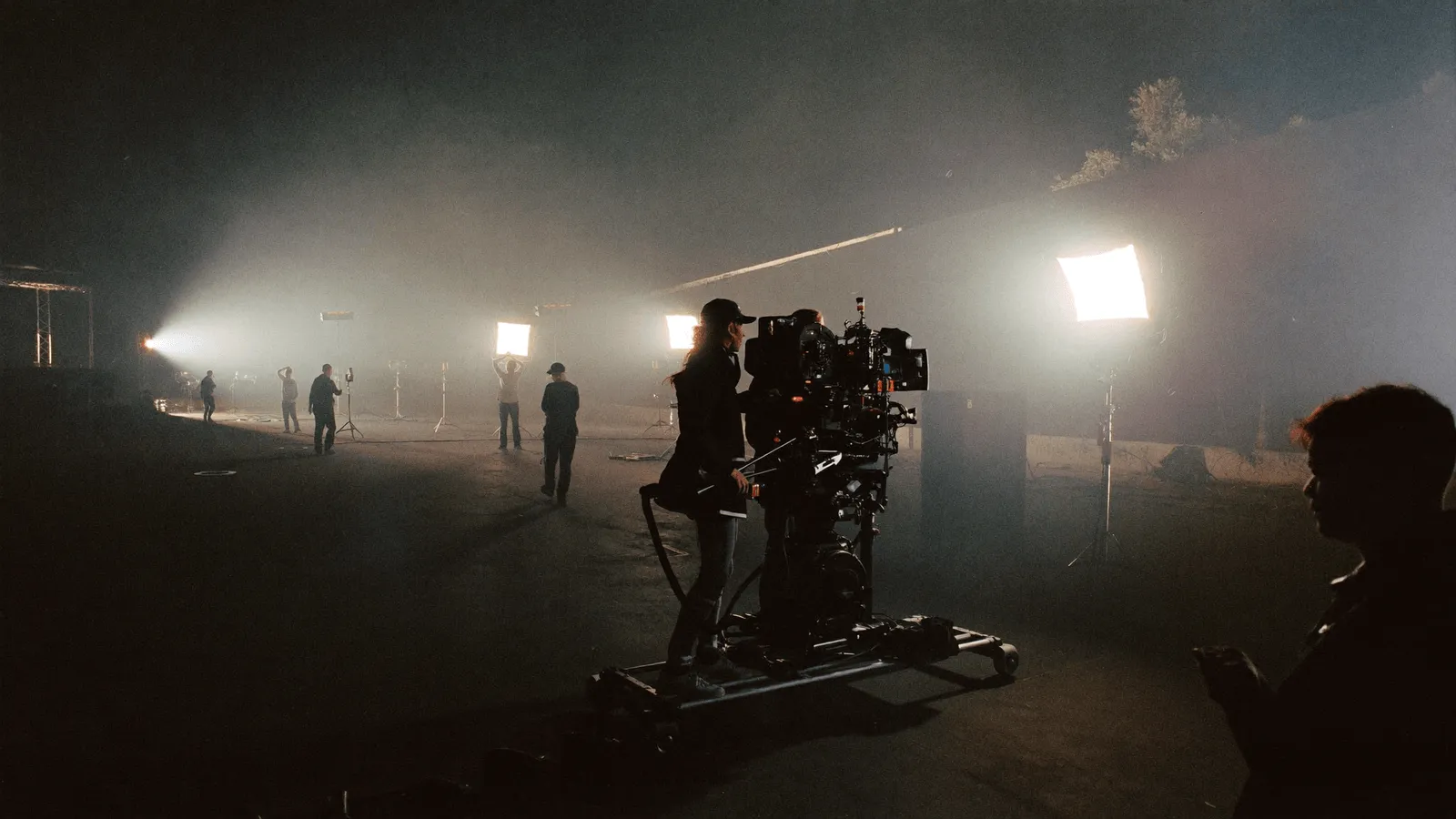
Sometimes it is the opposite and you have to move fast: a scene with 3 to 4 pages of dialogue may need to be shot in a single hour, in one take. In the quick tempo of television series, you often see scenes shot with little planning and a single pass.
Day/Night Distribution: This means spreading the script’s day and night scenes across the schedule sensibly, with working hours in mind. Sometimes day and night scenes are spread evenly across the shooting days. Other times the unit shoots days for a stretch and then switches to nights entirely.
Script Chronology and Actors’ Emotions: As far as production allows, we try to stay faithful to the story’s chronology and the turn of its days, and to build an order that suits the actors’ emotional arcs. For example, we take care not to put a scene where an actor laughs uncontrollably right after a scene where they sob.
We recently saw the power of this approach in “The Invite” (2026). Director Olivia Wilde shot the whole film in strict chronological order over 21 days, and even shaped the final scene with the actors on set until the last day of the shoot. (Source: Variety, June 2026; IndieWire, June 2026.)
The Director’s Vision and Requests: Above all, how the director imagines a scene matters. How much time they want to spend on it, and whether they plan a special technique (a long single take, say), set the rhythm and direction of the whole schedule.
2. Cast and Crew Management
Cast Availability: Which actor can be on set on which days and at which hours. An actor may be committed to another project or a stage play, for instance.
Child Performers and Animals: Children have far stricter limits on working and rest hours than adults, and both children and animals have special needs (a teacher or chaperone, an animal handler and so on), so the day’s schedule is shaped almost entirely around them.
HBO’s new Harry Potter series shows how restrictive this can be in practice. According to the show’s director of photography, Adriano Goldman, the child actors can be on set for only 1.5 hours a day, and in that time the crew has to complete 6 different camera setups. The production copes by finishing the lighting and blocking while the children are at school, and by using stunt doubles for wide shots. (Source: Variety, July 2026.)
Prep and Rehearsal Time: Counting the time actors need before they go on set: learning lines, rehearsal, costume fittings and hair and makeup.
On period projects, prep times far exceed those of a standard series. Picture a large court scene or a crowded palace banquet: the cast could be given a pre-call four or five hours before the camera rolled. Even when little actually happens in the scene, the sheer scale of costume and makeup work can mean one scene fills a whole day.
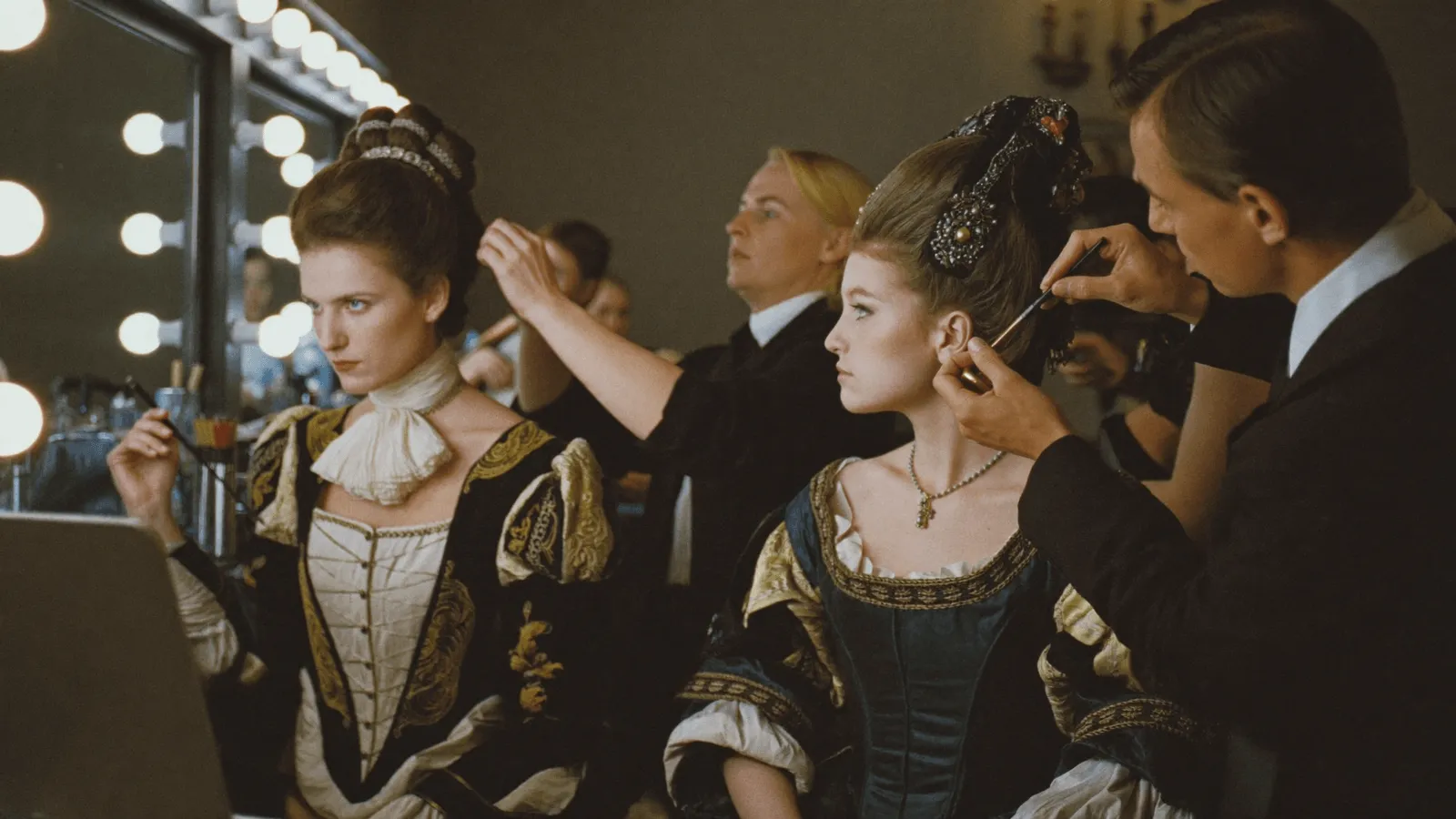
Hair, Makeup and Costume Continuity: Arranging visual continuity so that it follows the chronology as closely as possible and tires the crew and cast as little as possible. Say three scenes are shot at the same location that day. The lead appears natural in two of them and in heavy makeup in the third, so it makes sense to put the heavy makeup scene last.
If an actor is dyeing their hair instead of wearing a wig, or having their hair or beard cut, or undergoing any physical change that cannot be undone, it has to be written into the schedule and respected in everything that follows.
Background Actor Organization: Planning the travel and prep time of the background actors correctly against the scene’s call time.
Legal Working Hours: Working and rest hours for the crew and the cast must stay within the legal limits and the agreements the production works under.
Wrap and Turnaround: It is not enough to count the working hours of a single day. You also need to calculate the mandatory rest between wrap (the end of the day) and the next day’s call.
Three rules usually matter here, and the exact hours depend on the union or local agreement your production works under. First, there is a minimum rest between wrap and the next call, commonly somewhere around 10 to 12 hours. Second, when the unit moves from night shoots to day shoots, a longer break is needed. Third, most agreements require at least one rest day in seven, and a standard week gives two. A first AD has to keep all three in mind at once while building the schedule. Check the agreement your production works under for the exact figures.
- 10-12hours
Turnaround
Minimum rest between wrap and the next call.
- 12+hours
Nights to days
More than a normal turnaround when the unit switches from night shoots to day shoots.
- 1-2days
Every seven days
At least one rest day in every seven, usually two.
Meals and Rest Breaks: Placing meal and rest breaks at suitable times and places, for crew morale and because the agreements require it.
Meals are not scattered through the schedule at random. Most agreements cap how long the crew can work between meals, so the first AD builds the meal times into the backbone of the schedule from the start.
3. Locations, Logistics and Technical Planning
Location Availability: Which location we can enter, on which day and at what time, shapes the plan and the flow of the schedule.
Permits and Time Limits: Closing a street to traffic, shooting on a bridge or entering a historic site often comes with a permit that covers only certain hours (for example, only 2:00 to 5:00 a.m.).
The chase through the Grand Bazaar in the Bond film Skyfall is a good example: the crew could shoot there only when the market was closed, so the art department dressed the space overnight before the shoot and filled it with extras to make it look alive. (Source: Skyfall production notes.)
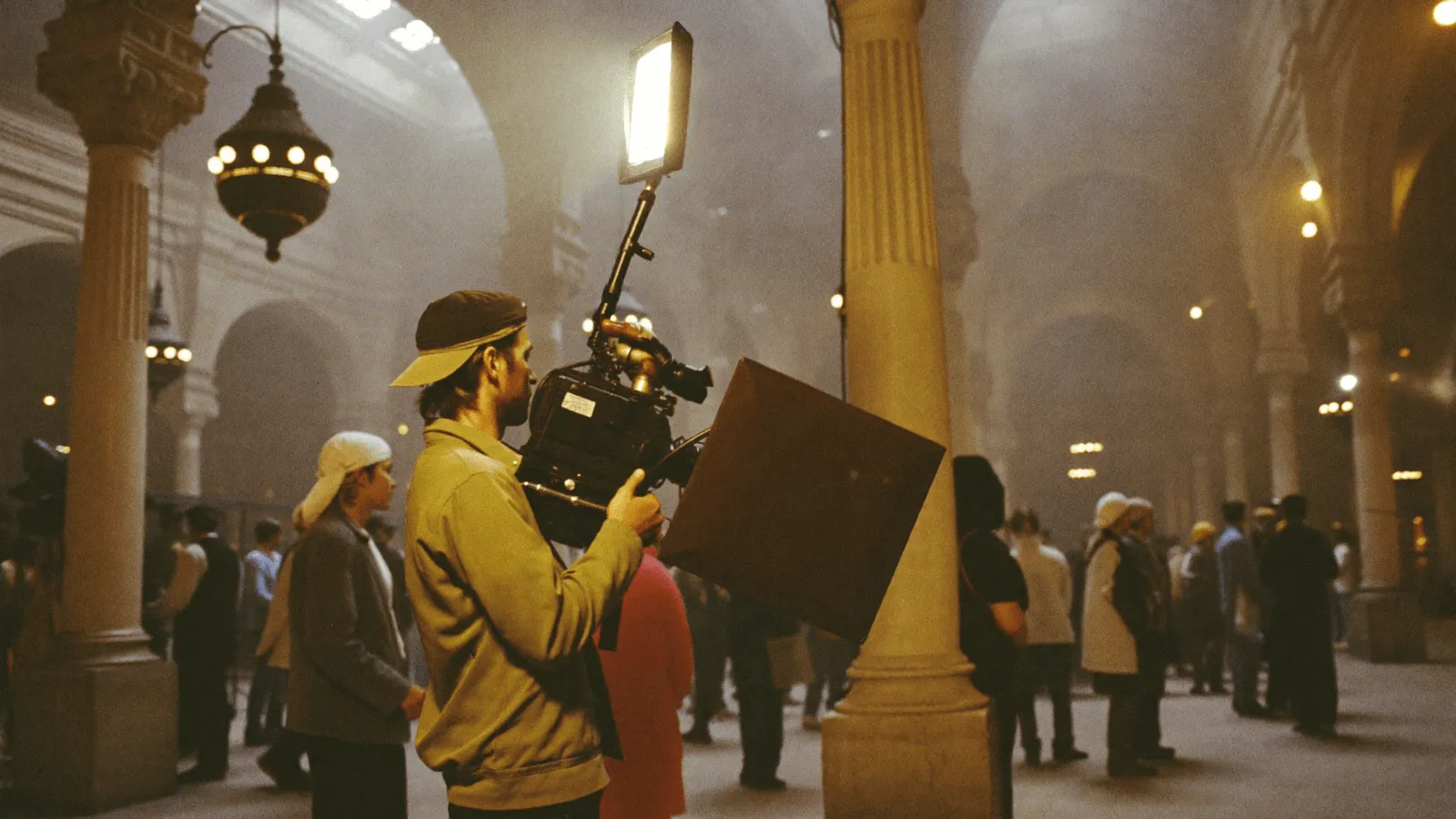
Some of the most restrictive limits come from heritage sites and public buildings that refuse commercial filming altogether. That is why productions often build faithful sets from scratch instead.
Alternative Location Planning (Cover Set): On top of the weather question, keep a “plan B” scene or day (usually an interior) ready to switch to, one that will not wreck the schedule if something unexpected happens.
Location Changes (Company Move): Correctly calculating the time the unit needs to pack up, travel and set up again when it moves from one location to another.
Weather: Respecting the weather the script calls for. Which scene is sunny and which is rainy directly affects the shooting dates.
One of the most striking examples of how big this effect can be is Mad Max: Fury Road. Director George Miller planned to shoot in Australia, but unexpected rain turned the area into a field of flowers, and he had to move the entire production to Namibia. (Source: George Miller, BBC News, 2011.)
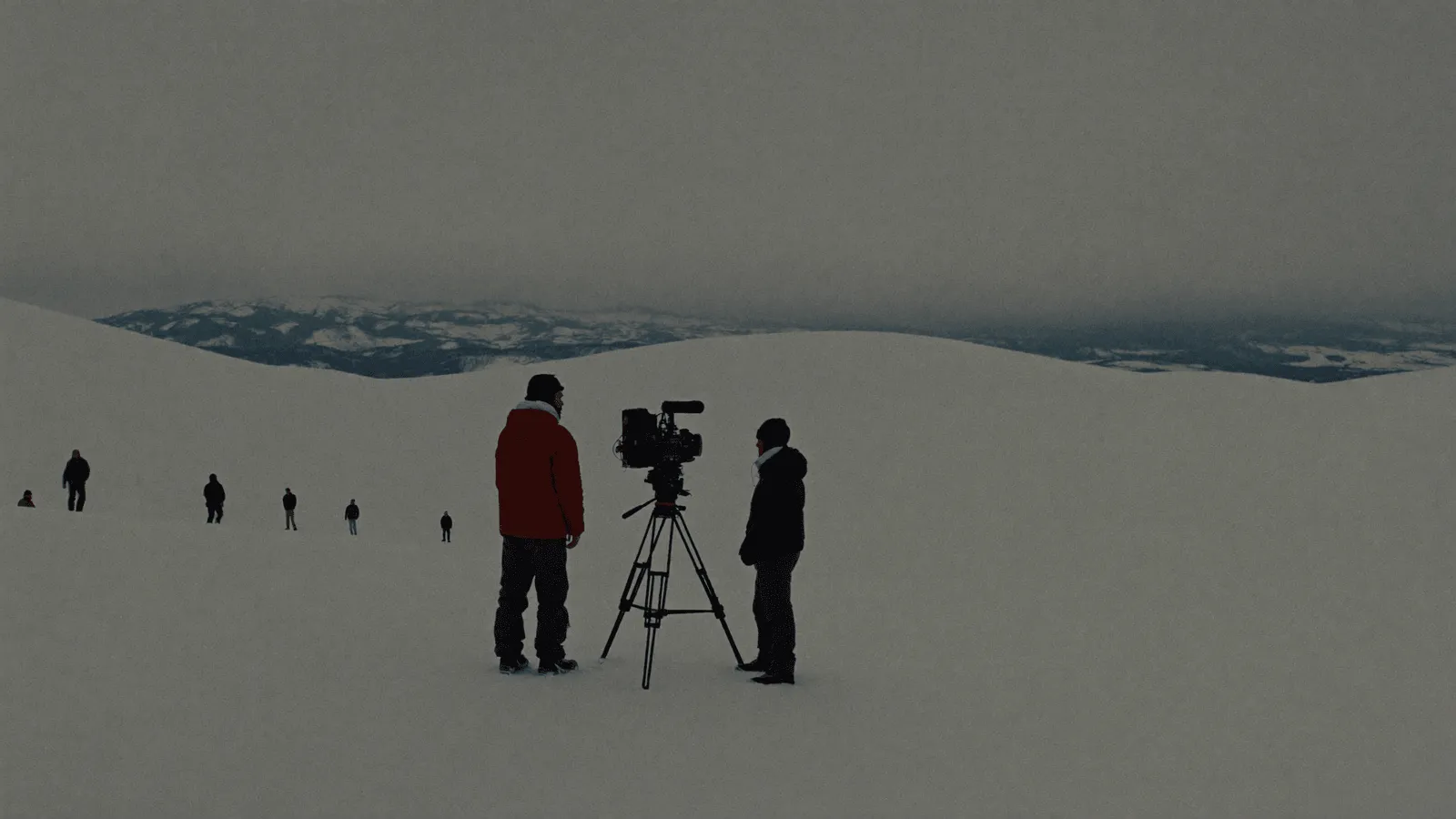
Lighting: Will you use natural light, or build a new lighting setup with the help of the lighting and set crews? Setup times must always be reflected in the schedule.
The Revenant pushed this item to its limit. Once director Alejandro Iñárritu and cinematographer Emmanuel Lubezki decided to shoot with natural light only, the daily shooting window sometimes dropped to just 1 to 1.5 hours, and a planned 6-month shoot stretched to 10 months. (Source: The Hollywood Reporter, 2015; NPR, 2015.)
Another legendary example is Kubrick’s Barry Lyndon (1975). Insisting on shooting with only daylight and candlelight, Kubrick obtained three of the special Zeiss Planar 50mm f/0.7 lenses originally made for NASA’s space missions. Because focus fell apart in candlelight if an actor moved even an inch, rehearsals for those scenes ran very long. (Source: American Cinematographer, 1976; Ed DiGiulio interviews, Cinema Products Corporation; “Stanley Kubrick: A Biography”, Vincent LoBrutto; compiled at marienicola.substack.com, July 2025.)
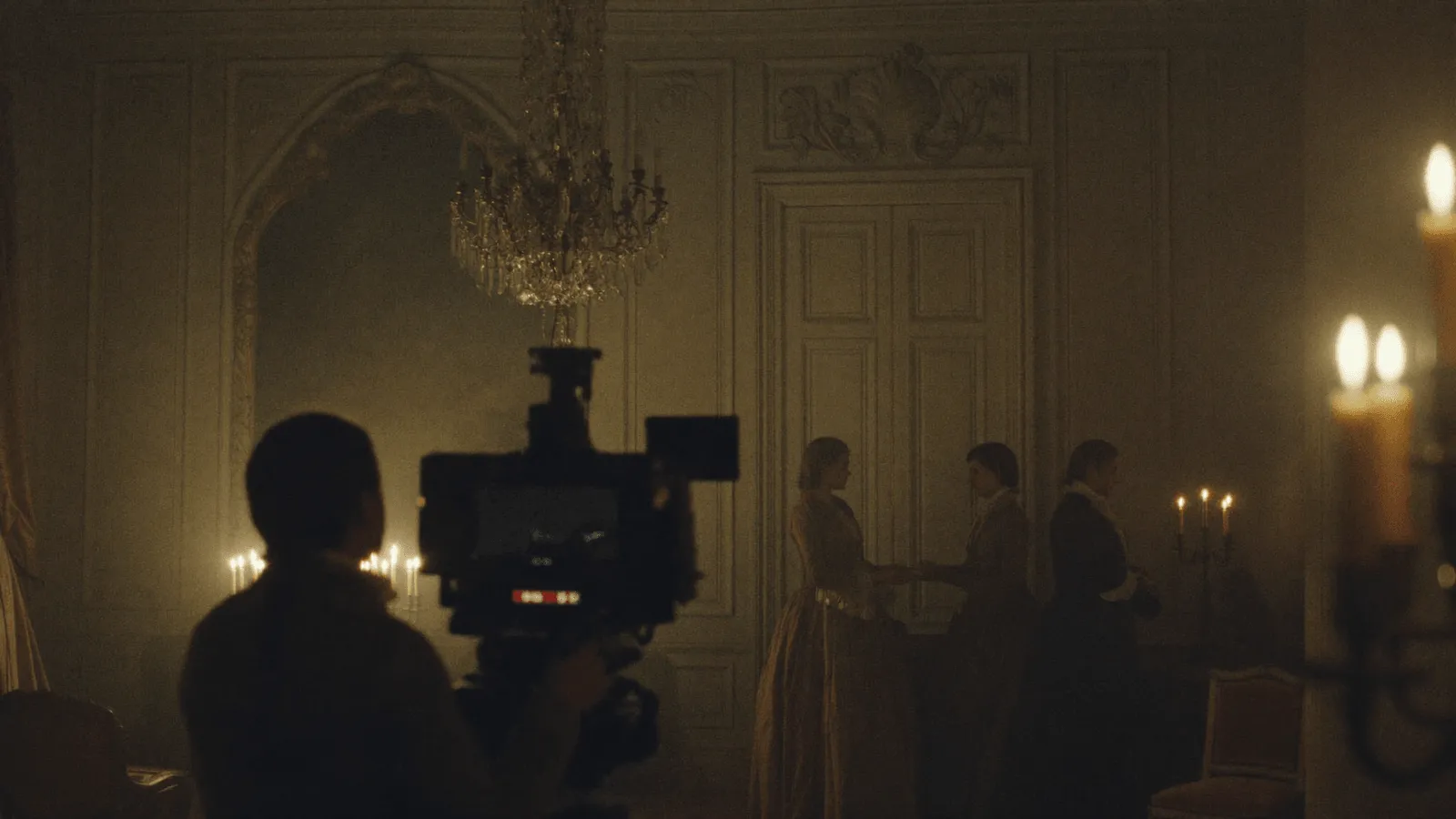
Special Technical Setups and VFX/SFX: Beyond standard prep, accounting for special cases that need extra time for safety, rehearsal and planning: drones, technocranes, green screen, stunts and explosions.
Tracking Rented Vehicles, Props and Other Materials: Making sure that rented or purchased props, vehicles and other materials will be on set exactly when needed.
Pre-Prep Coordination Between Departments: Coordinating with the relevant departments to find out how much pre-prep time each one needs (pre-light, set construction and so on).
4. Budget and Time Balance
Budget and Time Balance: Finding a common, optimal denominator between the budget, the production’s needs and the total number of days and weeks the project has to be shot in.
The shooting schedule is the set’s road map, and it lets a living organism of nearly 100 people breathe. While you steer that collective process, Dekupa works as a great assistant in pre-production, helping you fit every piece of that complicated puzzle on the table together. It calculates countless details with ease and, with drag and drop, places things in the right spots, helping you reach the best schedule.
But even if we plan everything perfectly, once we are on set an unexpected setback, an illness or suddenly bad weather can upend the plan. Set crews adapt to the new conditions quickly with their experience, and Dekupa is there when you need to make urgent changes too. When you update the schedule, it flags the critical things that are easy to overlook, helping you handle these crisis moments and the adaptation that follows with confidence.
Frequently asked questions
- Is a shooting schedule the same as a call sheet?
- No. The shooting schedule is the overall plan of the project: it decides which scene is shot on which day. The call sheet is the detailed plan for one day and goes out to the crew daily. The order set in the schedule can be revised to meet the needs of the day, so the call sheet and the schedule can differ.
- Is a shooting schedule built in script order?
- No. Most of the time scenes are not shot in script order. The most efficient order is built around locations, cast availability, budget, crew planning and technical needs.
- Who builds the shooting schedule?
- It depends on the scale of the production. On most productions the first assistant director (1st AD) builds it, with the second AD, the AD department and the production office supplying the information. On a larger show the key second AD often does much of the legwork.
- Can the shooting schedule change once filming starts?
- Yes. Weather, cast availability, technical problems or production needs can change the schedule many times during the shoot.
- Why does a good shooting schedule matter?
- A well-built schedule uses time and budget correctly, makes coordination between departments easier and keeps the set running more efficiently.
- Do low-budget projects need a shooting schedule too?
- Absolutely. On short films, indie films and student projects, where resources are tighter, good planning matters even more. With a small crew, a properly built schedule is one of the most effective ways to avoid wasted time.
- Does Dekupa build the shooting schedule?
- Dekupa takes every detail from the script breakdown into account and lets you build the schedule by drag and drop, then update it quickly on set. It also warns you about critical things that are easy to miss.
- What is the difference between building a schedule in Excel and using software like Dekupa?
- In Excel you track every row, revision and conflict by hand. In Dekupa you enter the essentials, such as cast and location availability, the daily page target and the total number of shooting days, and Dekupa uses them to propose a sensible order and a draft schedule. The first AD only has to make small adjustments to get it right. And if you or your colleagues prefer traditional methods, you can export your Dekupa schedule to Excel with one click.